Penis in Spanish slang can have many different meanings and words depending on the country. Spanish speakers use several informal terms for the penis, but the tone can range from childish and humorous to very vulgar. A word that sounds normal in one Spanish speaking country may sound highly offensive in another.
People often search for penis in Spanish slang because they see a word in a text, meme, song, movie, or social media post and want to understand what it means. The most important thing to know is that there is no single slang word that works everywhere.
This guide explains common Spanish slang terms, their tone, regional differences, and when you should avoid using them. It also helps you understand why context matters when someone uses these words.
Quick Answer
- In Spanish slang, several words can mean penis, including polla, verga, pito, pija, picha, and others. Their meaning and level of offensiveness depend heavily on the country and situation. Many of these words are vulgar, so you should avoid using them in formal or professional settings.
What Does Penis in Spanish Slang Mean?
Spanish has a standard word for the male sexual organ: pene. That word sounds neutral and works in medical, educational, and formal conversations.
However, everyday speech often uses slang or informal alternatives. Some speakers use these words jokingly with friends. Others use them as insults, exclamations, or expressions.
For example, a slang term may refer directly to the body part in one sentence but take on a completely different meaning in another.
That is why you should never translate Spanish slang word for word without checking the context.
Common Spanish Slang Terms for Penis
Several terms appear across Spanish speaking regions. However, their popularity and meaning can change from one country to another.
| Spanish term | General tone | Common context |
| Polla | Vulgar | Mainly Spain |
| Verga | Vulgar | Common in several Latin American regions |
| Pito | Informal to vulgar | Varies by country and context |
| Pija | Vulgar | Used in parts of Latin America |
| Picha | Vulgar | Spain and some Central American regions |
| Pinga | Vulgar | Used in some Latin American and Caribbean communities |
These words do not all carry the same strength. Some can sound playful among close friends, while others can cause offense.
Polla
In Spain, polla commonly works as a vulgar slang word for the penis. Dictionaries identify this meaning as vulgar, and the word has other meanings in different contexts as well.
Because the word has a strong tone, learners should use caution. You may hear it in comedy, casual conversations, films, and online content.
Do not assume that polla carries the same meaning everywhere. Regional context always matters.
Verga
Verga is another widely known vulgar term. In several parts of Latin America, it can refer to the penis, but speakers also use it in many expressions with completely different meanings.
For example, Mexican Spanish uses verga in several vulgar expressions. Depending on the phrase, it can express anger, surprise, praise, frustration, or a negative opinion.
This makes verga especially important to understand through the full sentence rather than as an isolated word.
Pito
Pito can serve as an informal or vulgar term for the penis in some contexts. However, Spanish speakers also use the word for other things, such as a whistle, depending on the region and sentence.
That difference makes context essential. A person may use pito as a harmless everyday word in one situation and as a slang reference in another.
Pija
Pija appears as a vulgar regional term for the penis in parts of Latin America. Its use can vary greatly between countries and communities.
Because regional meanings can shift, visitors and language learners should listen to how local speakers use the word before repeating it.
Picha and Pinga
Picha and pinga also appear as vulgar regional terms. Spanish dictionaries and translation resources list them as slang references for male genitalia in specific regions.
Neither word works as a universal Spanish term. Their meaning, popularity, and strength depend on where you hear them.
Is Penis Slang in Spanish Rude or Offensive?
Many Spanish slang terms for penis are vulgar, so they can sound rude or offensive. The exact level of offense depends on the word, country, relationship between speakers, and tone of voice.
Close friends may use a crude word as a joke. The same word can sound insulting when someone says it during an argument.
Here is a simple rule:
- Medical or formal setting: Use pene.
- Educational setting: Use clear and respectful language.
- With strangers: Avoid sexual slang.
- At work: Avoid vulgar terms.
- With close friends: Context and local culture still matter.
Knowing a slang word does not mean you need to use it. Understanding the word helps you follow conversations safely and accurately.
Where Is Penis Slang Commonly Used?
These terms can appear in casual speech, entertainment, jokes, memes, and online conversations. You may also encounter them in Spanish language music, comedy, films, and social media.
Different platforms can create different expectations.
Texting and Private Chats
Friends may use slang in private messages as part of a joke or casual conversation. Still, written words can lose tone, so a joke may look harsher than intended.
Social Media
On platforms such as TikTok, Instagram, Reddit, and X, slang may appear in memes, comments, jokes, or cultural discussions. Some users also use coded spellings to avoid moderation or filters.
Gaming and Online Communities
Competitive spaces sometimes include crude jokes and insults. However, that does not make offensive language appropriate or necessary.
Workplace and School
Avoid vulgar sexual slang in workplaces, classrooms, and professional communication. It can make other people uncomfortable and may violate rules about respectful conduct.
Real Life Examples of Spanish Penis Slang
The examples below focus on understanding context rather than encouraging people to use vulgar language.
Friendly and Casual Context
A group of close friends may use a crude word while joking with each other. The relationship between the speakers can make the tone playful.
Example: A friend uses a slang term in a joke, and the group laughs because everyone understands the humor.
Social Media Context
Someone may see a vulgar Spanish word in a meme and search for its meaning.
Example: “I saw this word in a Spanish meme. Does it mean what I think it means?”
The answer may depend on the country where the creator lives.
Argumentative Context
A slang word can sound much more aggressive during an argument.
Example: A person adds a vulgar expression to show anger or frustration.
Here, tone matters as much as the dictionary meaning.
Entertainment Context
Movies, comedy shows, and songs may use strong slang to make dialogue sound natural or to show a character’s personality.
That does not mean the same language fits everyday professional conversations.
Why Context Matters So Much
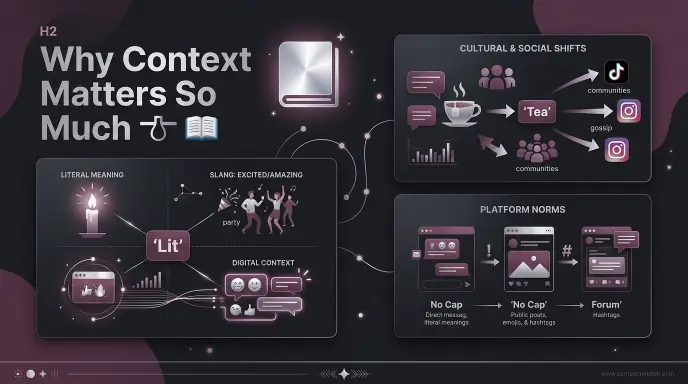
A major misunderstanding happens when learners think every slang word has one fixed English translation. Spanish slang does not always work that way.
For example, verga can appear in expressions that do not directly discuss anatomy. The surrounding words can change the meaning completely. Authoritative regional dictionaries also record several non literal and idiomatic uses of the term.
Always ask these questions:
- Which country does the speaker come from?
- Who is speaking to whom?
- Is the person joking, angry, or serious?
- Does the full phrase have an idiomatic meaning?
These questions can prevent embarrassing translation mistakes.
Origin and Background of These Terms
Spanish slang for body parts comes from different regional histories. Some words developed from older meanings, while others gained slang meanings within particular communities.
For example:
verga has a non sexual nautical meaning as well as vulgar meanings in modern Spanish. Historical and regional dictionaries record these different uses.
However, slang history often becomes difficult to trace because people use spoken language long before dictionaries record it. For that reason, you should treat overly simple origin stories with caution.
Regional use matters more than a single origin story. Spain, Mexico, the Caribbean, Central America, and South America all have their own slang traditions.
Similar Spanish Words and Their Differences
The following comparison can help learners understand the general differences.
| Word | Best description | Use with caution? |
| Pene | Standard and neutral | No, appropriate in formal contexts |
| Polla | Vulgar slang, especially in Spain | Yes |
| Verga | Vulgar and highly flexible in some regions | Yes |
| Pito | Informal or slang depending on context | Yes, check the region |
| Pija | Vulgar regional slang | Yes |
| Picha | Vulgar regional slang | Yes |
| Pinga | Vulgar regional slang | Yes |
The safest choice for education, health discussions, or formal writing remains pene.
When Should You Avoid Using These Words?
You should avoid vulgar Spanish slang when the setting requires respect or professionalism.
Do not use these terms:
- At work or in business emails
- During formal presentations
- In school assignments
- When speaking with someone you do not know well
- In medical or educational writing
- When you are unsure how a local community understands the word
A joke that sounds harmless to one group may sound offensive to another.
Polite Alternatives to Vulgar Spanish Slang
If you need to discuss the topic clearly and respectfully, use neutral language.
The standard word pene works well in medical, educational, and formal conversations.
You can also use general phrases such as:
- Male anatomy
- Male genitalia
- The body part
Choose the phrase that best fits the conversation. Clear language often works better than slang.
Why Do People Use This Type of Slang?
People use slang for many reasons. They may want to sound funny, casual, dramatic, rebellious, or emotionally expressive.
In some groups, crude language can also create a feeling of familiarity. However, slang can exclude people who do not understand it or make others uncomfortable.
People may use sexual slang to:
- Make a joke
- Show surprise or frustration
- Fit into a social group
- Add emphasis to a statement
- Reference a meme or cultural expression
The reason behind the word matters as much as the word itself.
Common Misunderstandings About Penis in Spanish Slang
“There is one Spanish slang word that everyone uses.”
That is not true. Spanish covers many countries and regional varieties. A word that sounds common in Spain may not work the same way in Mexico or Argentina.
“Every use has a sexual meaning.”
Not always. Some vulgar words can become part of idioms or emotional expressions. The full phrase determines the meaning.
“If native speakers say it, learners should say it too.”
Not necessarily. Native speakers understand social rules that language learners may not know. You can understand slang without adding it to your everyday vocabulary.
“A direct English translation always works.”
Direct translations often miss tone, humor, and regional meaning. Context gives a more accurate answer.
FAQ’S
Q1:What is the slang word for penis in Spanish?
Spanish has several slang terms, including polla, verga, pito, pija, and others. The correct meaning depends on the country and context.
Q2:Is “polla” a rude word in Spanish?
Yes. In Spain, polla can refer to the penis and carries a vulgar tone. You should avoid it in formal situations.
Q3:What does “verga” mean in Spanish slang?
Verga can refer to the penis, but several regions also use it in vulgar expressions with other meanings. Always read the complete phrase before translating it.
Q4:Can I use these slang words at work?
No. Avoid vulgar sexual slang in professional settings. Use neutral language such as pene when you need to discuss the topic.
Q5:Which Spanish word is safest to use?
Pene is the standard and neutral term. It works best in formal, medical, and educational contexts.
Q6:Does Spanish slang change by country?
Yes. Regional differences play a major role in Spanish slang. Always check where the speaker or content creator comes from before assuming a meaning applies everywhere.
Conclusion
Penis in Spanish slang does not have one simple translation. Spanish speakers use different words across different countries, and many of those terms carry a vulgar or highly informal tone.
The key to understanding these words is context. Check the speaker’s region, the full sentence, and the situation before deciding what a term means. A word such as verga may carry several meanings, while a term such as polla has strong regional associations.
If you need a respectful and universally understood option, use pene. If you encounter slang online or in conversation, focus on understanding it rather than repeating it. That approach will help you communicate clearly and avoid accidental offense.
Dig More About!
- What Does YK Mean in Slang? YK Meaning in Text
- Marine Slang Terms: Meanings, Examples, and Common Usage
- MB in Slang: What Does MB Mean in Text?