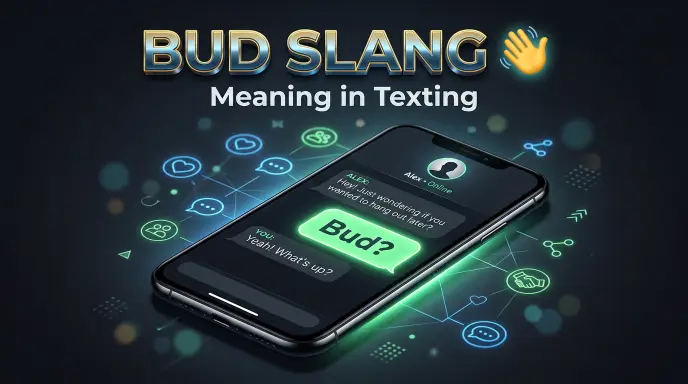
Bud slang usually means a friend, buddy, or someone you know well. People often use “bud” as a friendly and casual way to address another person. Depending on the tone, it can sound warm, playful, or slightly sarcastic.
You may see “bud” in text messages, online chats, comments, and everyday conversations. For example, a friend might text, “Hey bud, how are you?” Here, the word shows friendliness. However, someone might also say, “Listen, bud,” during an argument. In that case, the same word can sound less friendly.
People often search for bud slang because the meaning can change with the situation. The word also has other meanings outside slang, so context matters.
This guide explains what bud means in text, where people use it, how it sounds, and when you should avoid it.
Quick Answer
- Bud slang means “friend,” “buddy,” or “pal.” People use it as a casual way to address someone. The tone can feel friendly, warm, playful, or sarcastic, depending on the conversation.
What Does Bud Mean in Slang?
In casual speech, bud works as a short form of buddy. People often use it when they talk to a friend, classmate, teammate, coworker, or someone they know casually.
For example:
“Hey bud, want to grab lunch?”
The speaker uses “bud” as a friendly form of address.
The word does not always show close friendship. Someone may also use it with a person they barely know. The tone gives the strongest clue.
A warm message can make “bud” sound friendly:
“Thanks for helping me, bud!”
A sharp message can make it sound sarcastic:
“Okay, bud. Whatever you say.”
So, bud slang meaning depends on both the words around it and the speaker’s tone.
Bud Slang Full Form and Definition
“Bud” does not have a special slang full form. In casual conversation, it commonly works as a shortened form of buddy.
| Term | Meaning | Tone |
| Bud | Friend or pal | Casual |
| Buddy | Friend or companion | Friendly |
| Pal | Friend | Casual |
| Bro | Friend or male peer | Very casual |
| Mate | Friend or companion | Common in British English |
The meaning stays simple in most casual conversations. People use the word to create a relaxed and familiar tone.
Different Meanings of Bud
The slang use has one main meaning, but bud can appear in several contexts. You should check the sentence before deciding what someone means.
1. Bud Means Friend
This remains the most common slang use.
Someone may call a friend “bud” in a relaxed conversation.
Example:
“Good job today, bud!”
Here, “bud” means friend or buddy.
2. Bud as a Friendly Way to Address Someone
People do not always use “bud” only for close friends. A parent may say it to a child. A teacher may use it informally with a student in some settings. A stranger may also use it in a casual conversation.
For example:
“You okay there, bud?”
The word can make the sentence sound warm and approachable.
3. Bud Can Sound Sarcastic
Context can change the feeling completely.
Someone may say:
“Sure, bud. Keep telling yourself that.”
This does not sound friendly. The speaker uses “bud” to add sarcasm or mild annoyance.
That does not make the word offensive by itself. The surrounding words and tone create the negative feeling.
Is Bud Rude, Offensive, or Neutral?
Bud is usually neutral or friendly. The word does not normally count as a rude or offensive slang term.
Still, the tone can change its meaning.
Friendly use
“Thanks, bud!”
This sounds warm and casual.
Neutral use
“Hey bud, your package arrived.”
This sounds informal but not rude.
Sarcastic use
“Listen, bud, that’s not how it works.”
This can sound confrontational.
The safest approach involves looking at the whole conversation. Do not judge the word from the term alone.
Where Is Bud Commonly Used?
People use “bud” in many casual settings. You can find it in spoken conversations and online messages.
Texting
Friends may use “bud” in short messages:
“You free tonight, bud?”
Social Media
People may use the word in comments or replies. The meaning usually depends on the relationship between the users.
Gaming
Players may use “bud” when talking to teammates:
“Nice play, bud!”
A player may also use it sarcastically after a mistake:
“Good one, bud.”
Discord
In Discord chats, “bud” can create a friendly or relaxed tone.
“Bud, you missed the whole match!”
Reddit users sometimes use “bud” in casual replies. The tone can range from friendly to sarcastic.
Workplace Chat
People may use “bud” with coworkers they know well. However, the term can sound too casual in formal work messages.
For example, “Hi bud” may feel natural in a friendly team chat. It may not fit a message to a manager, client, or new business contact.
Real Life Examples of Bud Slang
Here are natural examples that show different tones.
Friendly Example
Alex: “I saved you a seat.”
Sam: “Thanks, bud!”
Here, “bud” shows appreciation and friendship.
Casual Example
Jake: “You heading home?”
Mike: “Yeah, bud. See you tomorrow.”
The word adds a relaxed tone.
Family Example
Dad: “Ready for school, bud?”
Here, “bud” sounds warm and caring.
Gaming Example
Player 1: “Nice clutch, bud!”
The player uses “bud” as a friendly term for a teammate.
Social Media Example
Comment: “Bud really thought that would work 😂”
Here, “bud” adds a playful tone. It may also carry mild teasing.
Argument Example
Person 1: “You can’t talk to me like that.”
Person 2: “Relax, bud.”
This use can sound dismissive. The word itself does not cause the tension. The situation creates the negative tone.
Bud vs Buddy vs Bro
These words can all refer to a friend, but they do not always sound the same.
| Word | Common Meaning | Typical Tone |
| Bud | Friend or pal | Casual and relaxed |
| Buddy | Friend or companion | Friendly and familiar |
| Bro | Friend or male peer | Very casual |
| Pal | Friend | Casual |
| Mate | Friend or companion | Casual, common in British English |
“Buddy” often sounds slightly warmer than can sound more modern or strongly connected to casual internet culture.
The best choice depends on the speaker, audience, and setting.
Origin and Background of Bud
The slang use of bud connects with the longer word buddy. English speakers have used “buddy” as an informal term for a friend or companion for many years.
“Bud” also has a separate standard meaning. In plants, a bud refers to a small growth that can develop into a leaf or flower. That meaning has no connection to the slang use.
Because “bud” can mean different things, context helps readers understand which meaning fits.
You should also avoid claiming that one specific social media platform created the slang. People used “bud” in casual speech long before modern social platforms became popular.
Is Bud Used on TikTok, Snapchat, and Instagram?
Yes, people can use “bud” across social platforms, but it does not have one special meaning on each platform.
You may see it in:
- TikTok comments
- Instagram replies
- Snapchat messages
- Discord chats
- Reddit discussions
- Gaming conversations
- Text messages
The meaning stays close to friend, buddy, or pal in most casual cases.
The tone can still change. A friendly emoji may make the message feel warmer, while a sarcastic sentence can make it sound teasing or annoyed.
When Should You Avoid Using Bud?
“Bud” works well in casual conversations, but you should think about your audience.
Avoid it when you need a highly formal tone.
For example, you may not want to write:
“Hey bud, I wanted to discuss the contract.”
A more professional option would sound better:
“Hello, I wanted to discuss the contract.”
You should also avoid “bud” when you do not know how the other person feels about casual language. Some people enjoy informal terms, while others may find them too familiar.
Avoid “bud” when:
- You write a formal business email.
- You contact a new client.
- You speak to someone in a very formal setting.
- The situation requires respectful professional language.
- The person has already shown that they dislike casual nicknames.
Polite Alternatives to Bud
If you want a safer or more neutral word, you have several choices.
- Friend :warm and clear
- Buddy :friendly and casual
- Pal :relaxed and informal
- Mate :casual, especially in British English
- Sir/Ma’am :more formal
- Their name :simple and neutral
Using someone’s name often gives you the safest option. It works in both casual and professional conversations.
The main takeaway is simple:
“Bud” usually means “buddy,” but the speaker’s tone and the situation decide how it feels.
Why Do People Use Bud Slang?
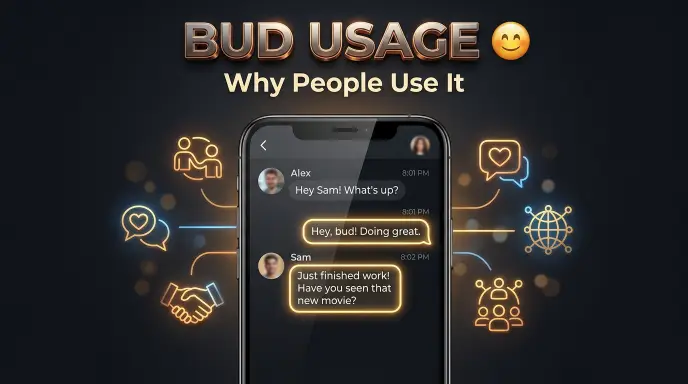
People use “bud” because it makes conversations feel relaxed.
The word can also show familiarity without sounding overly serious. Friends may use it to show warmth, while strangers may use it to create a friendly tone.
In some situations, people use “bud” for humor. A speaker might call someone “bud” while teasing them.
The word can also help soften a short message:
“Hey bud, can you send that file?”
The request sounds more casual than a very direct command.
However, context matters. A phrase like “Listen, bud” can sound more aggressive than “Thanks, bud.”
Impact of Using Bud in Communication
The word can make a conversation feel more personal. It often works well when both people already have a relaxed relationship.
Still, the same word can create distance if the listener dislikes informal language.
For example:
“Nice work, bud!”
can sound encouraging.
But:
“Calm down, bud.”
can sound dismissive.
This difference shows why tone matters. A slang term does not carry one fixed emotion in every conversation.
Common Misunderstandings About Bud
Does bud always mean a close friend?
No. Someone can use “bud” with a close friend, a casual acquaintance, or even a stranger.
Does bud always sound friendly?
No. A speaker can use it in a sarcastic or annoyed way.
Does bud mean boyfriend?
Not usually. “Bud” normally means friend, buddy, or pal in casual speech.
Does bud have only one meaning?
No. “Bud” also has standard meanings, including a plant growth. Context tells you which meaning fits.
Is bud a bad word?
No. “Bud” is generally harmless. The surrounding conversation can make it sound sarcastic or unfriendly.
FAQ’S
Q1:What does bud mean in slang?
Bud usually means friend, buddy, or pal. People use it as a casual way to address someone.
Q2:What does bud mean in text?
In text messages, “bud” usually means “buddy” or “friend.” The tone can feel friendly, casual, playful, or sarcastic.
Q3:Is bud slang rude?
No. Bud usually sounds friendly or neutral. A speaker can make it sound rude through sarcasm or an annoyed tone.
Q4:Can I use bud at work?
You can use it with coworkers you know well in a casual workplace chat. Avoid it in formal emails and professional communication with clients or senior staff.
Q5:Is bud the same as buddy?
They have very similar meanings. “Bud” works as a shorter, more casual form of “buddy.”
Q6:What does “hey bud” mean?
“Hey bud” usually means “hey buddy” or “hey friend.” It often creates a relaxed and friendly tone.
Conclusion
Bud slang usually means friend, buddy, or pal. People use it in casual conversations, texts, gaming chats, social media comments, and other informal settings.
The word normally sounds friendly or neutral. However, tone can change the feeling. “Thanks, bud!” sounds warm, while “Listen, bud” can sound annoyed or confrontational.
Context gives you the best clue. If you need formal language, use the person’s name or a professional greeting instead.
Dig More About!
- Extra Meaning Slang: What Does “Extra” Mean?
- Whiplash Slang Meaning in Text: What Does Whiplash Mean?
- Dig Meaning Slang: What Does “Dig” Mean?